TUNISIA
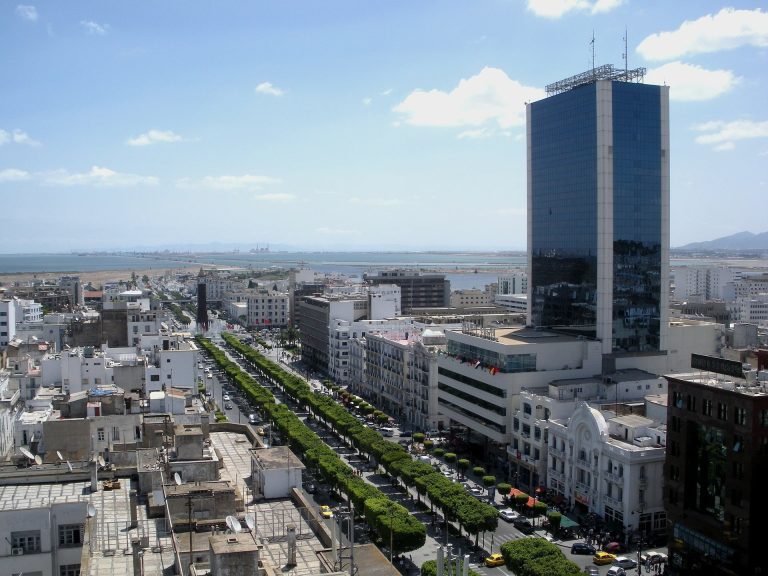
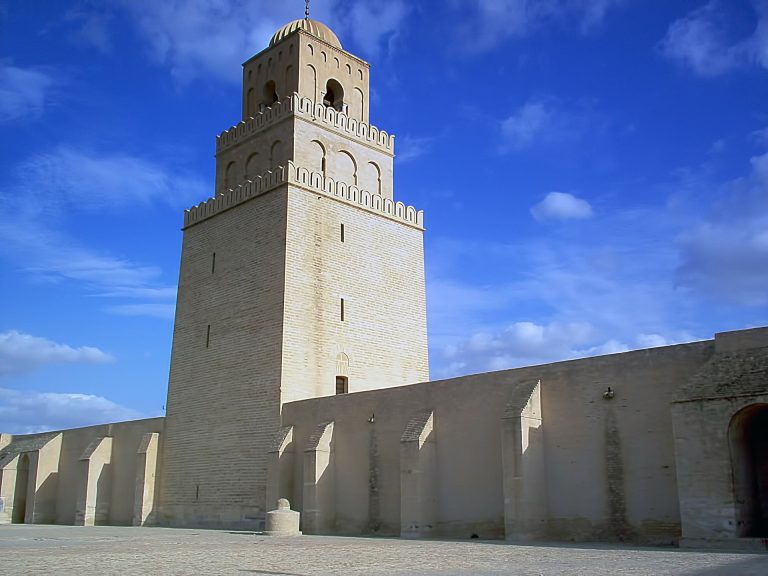
In the northernmost part of the African continent is the Tunisian Republic, located on the Mediterranean coast between the Atlantic Ocean and the Nile Delta. He carries with him all the trademarks of North Africa, including sandy beaches lined with palm trees, expanses of golden sand dunes from the Sahara, establishments of deep historical importance with cities that stand proudly on centuries-old buildings and Mediterranean cuisine so delicious. A trip to Tunisia can be particularly rewarding when combined with a journey through the North African jewels of Egypt and Morocco. Come, your trip awaits.
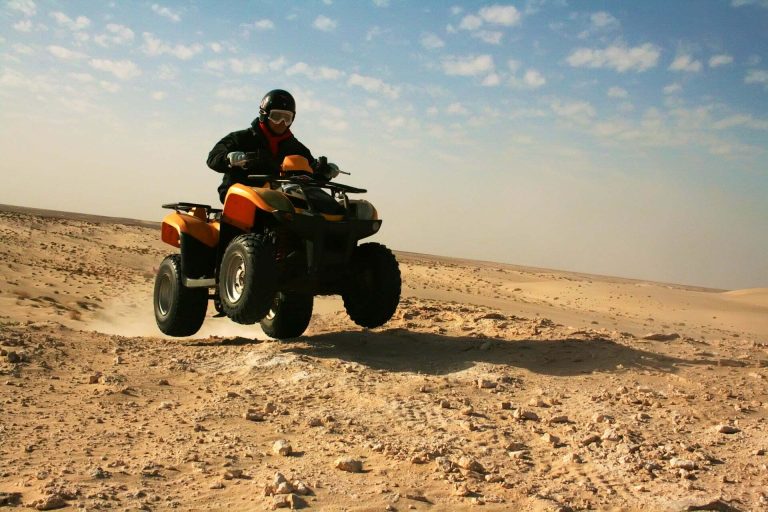
Camp under the starry sky of Tunisia in the famous Sahara Desert. Although the Sahara Desert is a characteristic of North Africa, its presence in Tunisia is particularly impressive due to the remarkable troglodyte dwellings of the Berber village of the Matmata region with the picturesque underground houses; As well as the stone castle of the Small Fort of the Kasbah of El Kef and the fortified granaries that were dug into the desert mountains centuries ago, the Ksar Ouled Soltaine being the most remarkable.
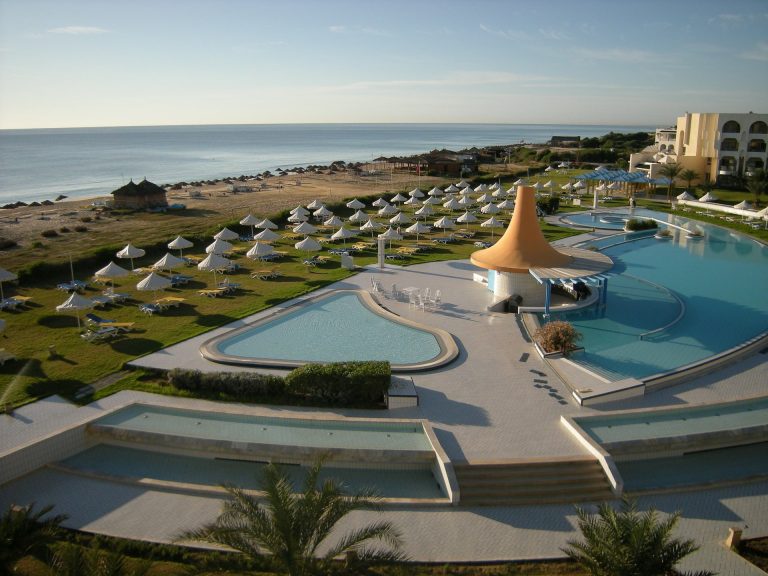
Tunisia is lucky to have the best of both worlds. If you prefer to bask by the sea instead of riding a camel, visit the beautiful beaches of the Mediterranean where you can swim during the day. With coasts stretching over 1000 km, you are just one step away from an exclusive experience that will leave you speechless.
Tunisia: Why choose this destination?
For Star Wars fans, don’t miss the enchanting troglodyte dwellings because they were featured in the film as houses on the planet Tatooine.
Tunisia is considered the place where you will find some of the best shrimp you have ever eaten. This is not surprising because the country’s cuisine is Mediterranean with Turkish and French roots. Couscous is the basic dish. Expect to receive a generous portion of grilled fish known as “full fish”. This delicious assortment of seafood will let your taste buds dance to an African rhythm.
The best season to visit Tunisia is between April and May if you just want to visit the country. If you want to enjoy the sunny beaches, September and October remain the most pleasant months. However, nautical activities take place from May to October, during the hottest months when the sea reaches 28°C. For big Star Wars fans, troglodyte dwellings are pleasantly cool in summer and comfortably warm in winter.
Practical information
No vaccine is required.
Note: The yellow fever vaccine is required for people from countries at risk of yellow fever transmission. The international vaccination certificate can be requested upon arrival at the airport.
Health and entry requirements can change, so please check with your ministry of foreign affairs and health before travelling.
For some travelers, a visa may be requested to enter Tunisia, depending on their country of origin.
For more information on obtaining visas and the documents to be provided, please contact the Tunisian representative closest to your place of residence.
LET'S DISCUSS YOUR TRAVEL PLANS