

In this article, we explore legacy of apartheid.
South Africa, this country with breathtaking natural beauty and invaluable cultural richness, also bears the deep scars of a dark and tumultuous past: apartheid.
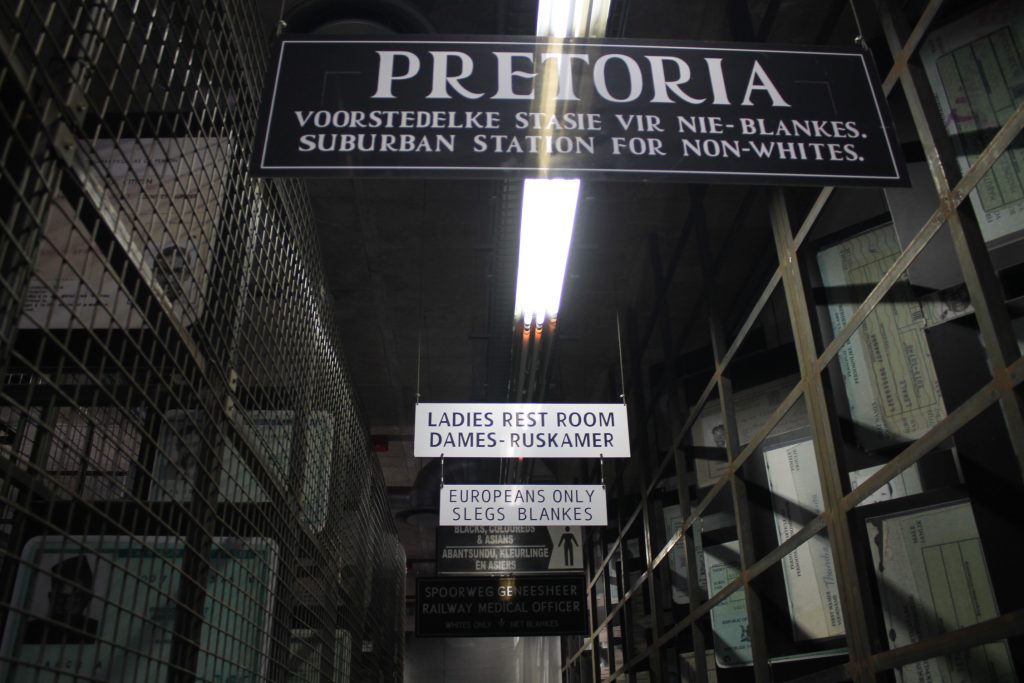
This system of racial segregation, established by the National Party in 1948, profoundly marked South African society, leaving indelible traces on the social, economic and political levels.
Apartheid, the term Afrikaans meaning “separation”, was officially set up after the national party’s victory in the 1948 elections. However, its roots plung deeper into the country’s colonial history. From the end of the 19th century, discriminatory laws began to emerge, aimed at restricting the rights of black, mestizo and Indian populations. The apartheid regime has systematized these discriminations by creating a strict legal framework for the separation of races.
The apartheid regime was based on a complex and oppressive legislative arsenal. The Population Registration Act of 1950 forced each citizen to register according to his race: white, black, Indian or Métis. The Group Areas Act of 1950 assigned specific geographical areas to each racial group, leading to massive forced displacement. The Bantu Education Act of 1953 instituted a distinct and lower quality education system for blacks, aimed at keeping them in junior jobs.
Faced with this systematic oppression, the resistance was not long in coming. Organisations such as the African National Congress (ANC) and the Pan Africanist Congress (CAP) have led the fight against apartheid, organising protests, strikes and campaigns of civil disobedience. The 1960s and 1970s were marked by brutal repression, with the imprisonment of many anti-apartheid leaders, including Nelson Mandela, and massacres of protesters, such as that of Sharpeville in 1960.
The 1980s saw an intensification of internal struggles and international pressures against the apartheid regime. Economic sanctions and international boycotts weakened the South African economy, while internal resistance movements gained strength and determination. In 1990, under the chairmanship of F.W. de Klerk, the government initiated crucial reforms: the release of Nelson Mandela and the legalization of the ANC marked the beginning of the end of apartheid.
The official abolition of apartheid in 1994 and the election of Nelson Mandela as South Africa’s first black president marked the beginning of a new era. However, the sequelae of apartheid remain visible. Economic inequalities persist, with disproportionately high poverty and unemployment among black populations. Racial tensions and social divisions are still palpable, even though the country has made significant progress in reconciliation and justice.
The reconciliation process, led in particular by the Truth and Reconciliation Commission, made it possible to reveal the atrocities committed during apartheid and to promote understanding and forgiveness. However, the path to true equality and social justice remains strewn with pitfalls. South Africa continues to fight against economic inequalities, corruption and crime, while seeking to build a more inclusive and equitable society.
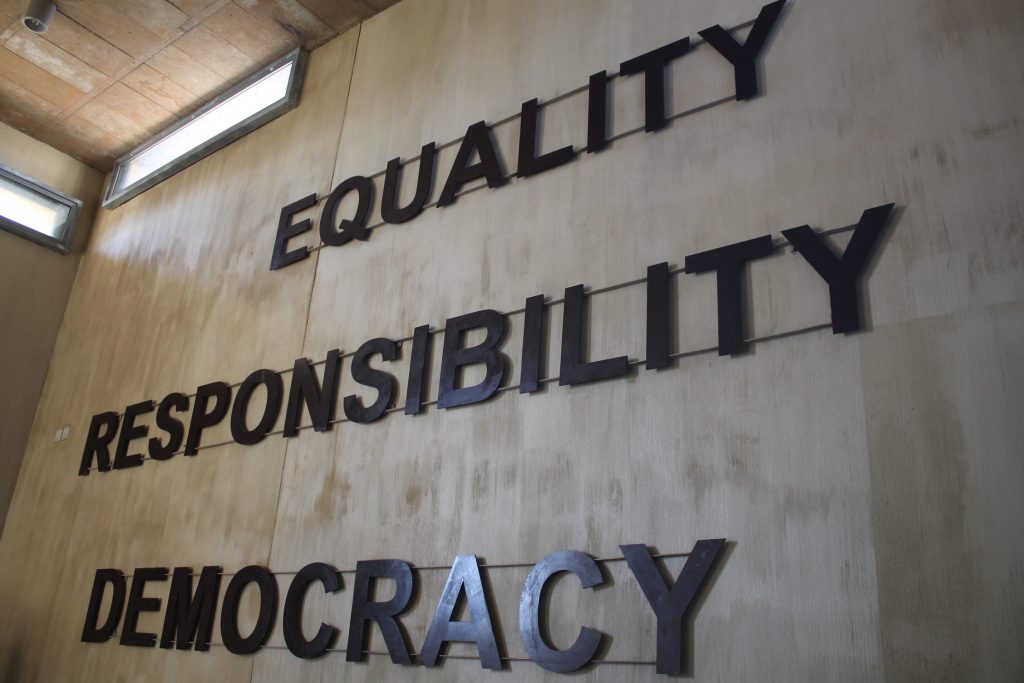
Apartheid left an indelible mark on South Africa, marking generations with its discriminatory and oppressive policies. The end of this regime paved the way for a democratic transformation and a quest for justice and reconciliation. Today, South Africa is at a crossroads, where it must meet the challenges inherited from its past to build a promising and fair future for all its citizens. A visit to the Apartheid Museum is one of the country’s must-sees. There are also other less known sites that have nevertheless marked history. Timuntu Travel invites you to dive into the heart of this dark stage through which South Africa has passed, to better understand its current evolution. Join us in South Africa: South African Authenticity – Timuntu Travel
More about legacy of apartheid
Curious to read more? Find further background on legacy of apartheid on Wikipedia.