
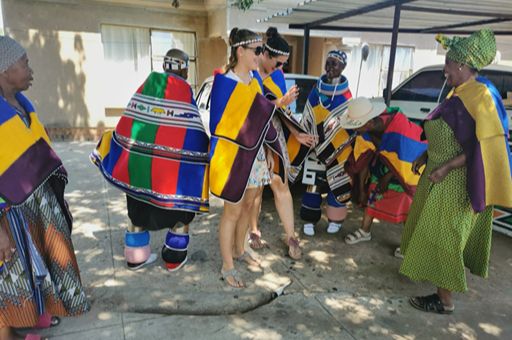
In this article, we explore authentic travel.
In Africa, the local population is a fundamental element of local identity. As experts in their environment, they affirm their legitimacy as creators of tourist experiences. It is imperative to recognise their role in this ecosystem. Authenticity cannot exist without the involvement of these local inhabitants. However, the question arises: how to include them in the tourism sector without compromising their identity? This raises a delicate tension between the folkloric presentation and true authenticity.
Faced with the rise of mass tourism, many travellers are now looking for more authentic and meaningful experiences. The quest for authenticity and original experiences rethinks the traditional journey. Today’s travellers are looking to create memorable memories while respecting the places and the people they meet. It is an evolution towards a more ethical and sustainable form of tourism.
Cultural exploration through the eyes of Africans
The pinnacle of authenticity lies in the human dimension. It is a question of meeting with inhabitants who share their art of living. Thus, authenticity encompasses any immersive experience that enhances the intangible heritage carried by the host community.
In South Africa, for example, the “braai” is much more than just an African barbecue. It is a cultural institution deeply rooted in the social life and way of life of South Africans.
A memorable human experience that travellers could experience in South Africa is participation in a traditional “braai”.
When you are invited to a braai by locals, it goes beyond just sharing a meal. It is an opportunity to discover South African culture in an authentic way. You could help prepare food, discover local recipes, and learn to marinate and cook meats like boerewors (a local sausage) or typical pieces of meat.
Conversations around the fire, with a local beer or a glass of “Savanna” (a South African cider), allow you to learn about the history, traditions and cultural diversity of South Africa. You can also listen to stories and anecdotes about everyday life, music, and community spirit, while immersing yourself in a friendly atmosphere that embodies South African hospitality.
This experience allows not only to enjoy delicious cuisine, but also to forge links with locals and to better understand their culture and way of life.
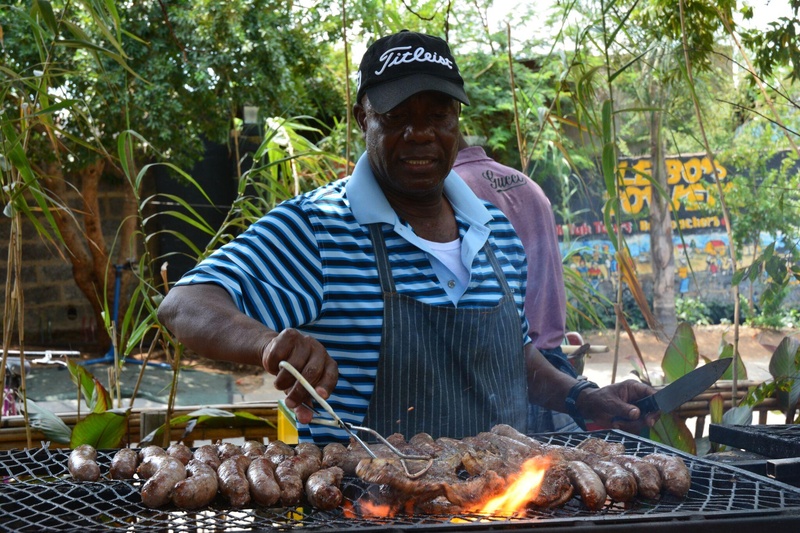
Africans act as ambassadors of their country, their culture and their way of life, highlighting the singular appeal of their region. They invite you to discover their environment and to share real moments with them, in their daily life. It is truly through their stories and authentic experiences, far from any commercial approach, that they encourage visitors to explore their respective countries.
Inclusive tourism: a solution against the folklorization of culture
In conventional tourism, local people in Africa are often relegated to the background, or even totally excluded from the travel experience. Instead of their voice, they are third-party stories that shape the perception of destinations, thus conveying a distorted image of reality. This type of tourist communication is often centered on exotic stereotypes or visions, intended to seduce foreign travellers. For example, safari tourism in Africa tends to present the continent solely from the angle of wildlife and landscapes, obscuring the social and economic realities of the inhabitants. Similarly, some seaside resorts like those on the Kenyan or South African coast sell a heavenly vision, while minimizing local issues such as poverty or inequalities. This marketing embellishes the destination to the detriment of the complexity and authenticity of the local experience, reducing the inhabitants to simple extras in their own country.
Local Travel Agency: The Response to Change
To fight against the folklorization and dehumanization of local populations in tourism, it is essential to favor local receptive agencies. These agencies, deeply rooted in the social, cultural and economic realities of their country, play a key role in creating authentic travel experiences. Unlike large international companies, which tend to simplify or exotic local cultures to meet the expectations of Western tourists, local agencies have the necessary expertise to offer nuanced and realistic prospects for destinations.
By collaborating with local incoming agencies, travellers benefit from a deeper immersion in the culture and daily life of the populations. For example, instead of superficial visits to traditional villages transformed into tourist attractions, these agencies can organise real and respectful meetings with the communities, allowing travellers to better understand the challenges and successes of the inhabitants. Similarly, they can offer itineraries that include non-standard cultural experiences, such as workshops with local craftsmen or stays in guest houses run by local families.
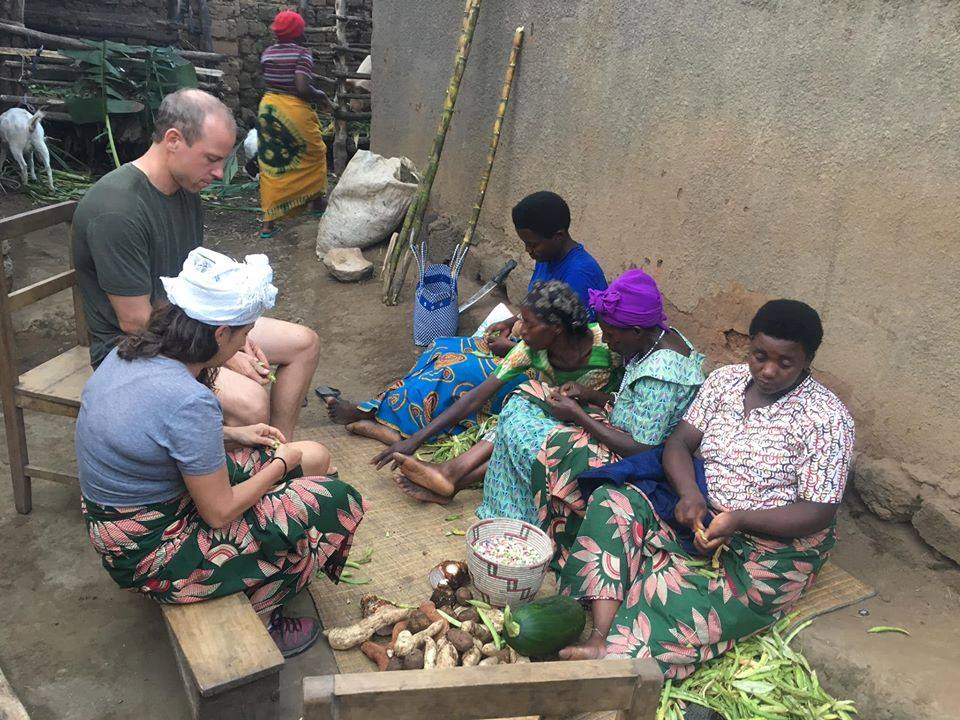
In addition, these agencies guarantee a better distribution of economic benefits from tourism. By working directly with the local communities, they ensure that the income generated from tourism activities directly benefits the populations concerned, rather than to large multinationals. This contributes not only to local economic development, but also to the promotion of traditional know-how, while preserving the dignity and humanity of local populations.
Finally, the use of these agencies makes it possible to travel safely, while moving away from Western clichés often conveyed by mass tourism. Their in-depth knowledge of local realities allows them to design trips that respect cultural sensitivities and local specificities, while guaranteeing an enriching and respectful experience for travellers.
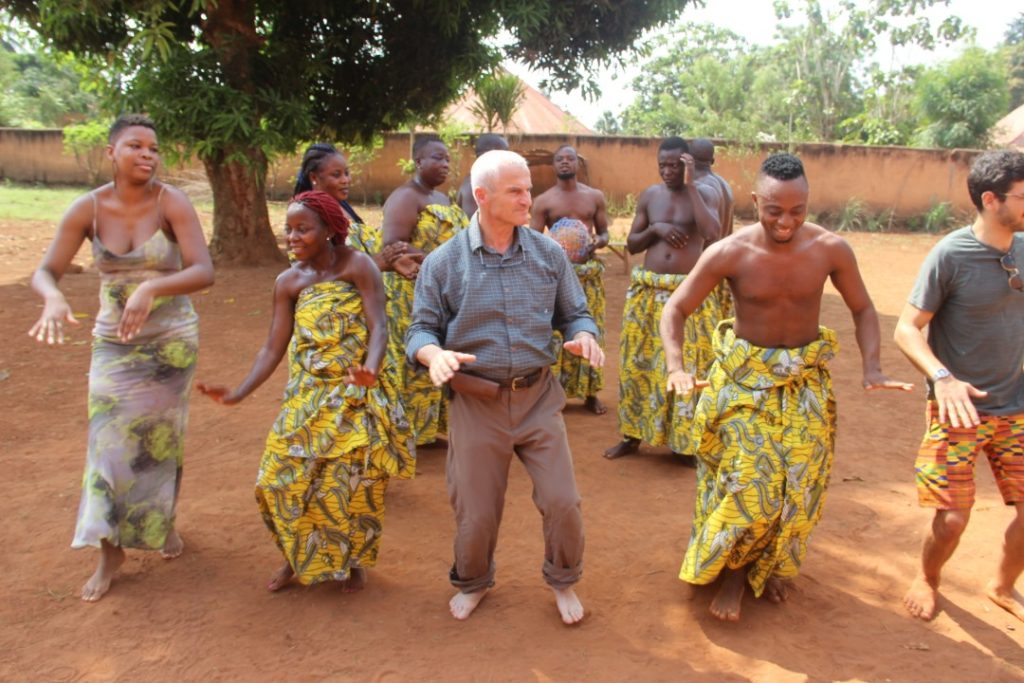
If you’re still hesitating, it’s because you didn’t understand. On the other hand, if you have understood our approach and the interest of travelling responsible in Africa, contact us directly to organise your next trip to one of the 54 countries in Africa.
More about authentic travel
Curious to read more? Find further background on authentic travel on Wikipedia.
Ready to experience Africa for yourself? Explore our destinations or plan your journey with Timuntu Travel.