SENEGAL
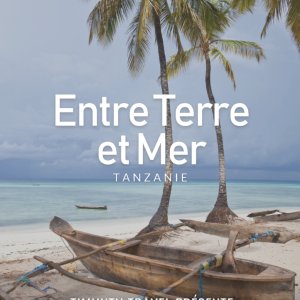
Teranga country, in other words, the “land of hospitality” is well known for the warm welcome of its people, but also for the beauty of its magnificent fine sandy beaches with sometimes translucent waters in certain places. With its hundreds of kilometers of coasts and beaches, Senegal has many beaches between Dakar to Saint-Louis and from Petite-Côte to Casamance. With sunshine guaranteed almost all year round and its privileged location on the African Atlantic coast, Senegal is recognized as the favorite destination for travelers in West Africa.
Apart from its seaside side, Senegal has other surprising assets: a spectacular nature and a unique culture. Despite its small area, Senegal offers a very varied natural diversity, the north remains flat and desert, while the south and south east are very wooded with small mountains at the limit of the Fouta Djallon of Guinea Conakry. This set of natural and cultural riches offers many advantages to travelers because all desires are there, between beaches and bolongs, mangroves and forests, national and reserved parks, mountains and savannahs, all tastes are there for everyone’s pleasure.
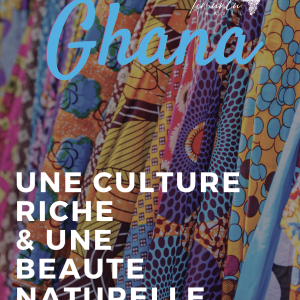
Senegal is also a colorful country with its lively markets with a thousand scents and a thousand flavors. Its colonial houses present in the city of Saint-Louis or the traditional thatched roof houses. Observe the turquoise waters of the sea and the pink water of the unique Retba lake. Admire the colorful traditional outfits of its inhabitants such as the boubous in wax or bazin.
Why Choose This Destination?
Traveling to Senegal means enjoying an impressive culture and conviviality. It is visiting a country where you really feel comfortable and where everyone lives together in full harmony and in a well-respected secularism.
To the west of Dakar the Atlantic Ocean, to the north the Senegal River in the Saint Louis region, to the south the Casamance River, and to the south is the Gambia River, which all have their springs in Fouta Djallon in Guinea. Senegal offers a very rich flora, but also gives you an overview of African fauna with safaris in parks or in animal reserves.
Senegal remains the holder of an extraordinary heritage, whether artistic, culinary or historical so do not miss the visit of the island of Gorée known to be the location of the house of slaves.
It is better to go in the dry season to Senegal, that is to say between November and May. The temperature is pleasant, not too hot, and we avoid precipitation. This is valid for the whole country, except Casamance where you can leave all year round.
Practical information
No vaccine is required.
Note: The yellow fever vaccine is required for people from countries at risk of yellow fever transmission. The international vaccination certificate can be requested upon arrival at the airport.
Health and entry requirements can change, so please check with your ministry of foreign affairs and health before travelling.