

In this article, we explore tourism stereotypes in Africa.
The stereotypes of tourism in Africa are numerous and often simplistic, reflecting erroneous perceptions and generalizations on the continent. Here are some of the most common stereotypes:
Africa, a wild continent
It is true that the image of Africa is often reduced to its safaris and its wildlife in the collective imagination. Although the continent is rich in biodiversity with national parks, nature reserves, and impressive wildlife, Africa is much more than that.
Africa is a vast and diverse continent, made up of 54 countries, each with its own cultures, languages, traditions, and stories. Large metropolises like Lagos, Johannesburg, Nairobi, and Cairo show impressive urban dynamism. African cities are centres of innovation, commerce, art, and contemporary culture. Although many people live in the countryside, a large part of the population is urban. Major African cities, such as Lagos, Nairobi or Johannesburg, are vibrant centres of culture and economy.
In addition, Africa has a deep history that goes back to millennia, with ancient civilizations like Egypt, the kingdom of Kush, the Mali Empire, and many others that have left indelible marks on world history. Art, music, dance, fashion, gastronomy, and African spiritual traditions also have considerable influence all over the world. In addition, the continent is a hotbed of innovative economic and social initiatives, with entrepreneurs and creators shaping a promising future.
Thus, limiting Africa to a wild continent is missing out on the richness of its cultures, its history, and its contemporary vitality.

Generalized poverty
The idea that Africa is only synonymous with poverty and lack of development can overshadow the economic and cultural diversity of African countries, some of which are growing and possessing modern infrastructure. Africa is a complex and dynamic continent, with challenges to be met, but also great opportunities. By expanding our understanding of Africa beyond the stereotypes of poverty, we can better appreciate the potential and varied richness that characterize this region of the world. A more nuanced approach makes it possible not only to better represent the reality of African countries, but also to promote the efforts made by their inhabitants to build a better future.

Conflicts and Instability
The image of Africa as a continent constantly plagued by conflict and instability is a reductive simplification often conveyed by the media. It is true that some regions of Africa have been marked by conflicts, but this reflects only part of the continent’s reality.
The diversity of situations across the 54 African countries is immense. Many African countries are stable, peaceful and welcoming, not only for their citizens, but also for foreign visitors. Popular destinations like Botswana, Ghana, Senegal, Mauritius, Cape Verde, and Morocco are known for their safety, hospitality, and well-developed tourist infrastructure. These countries offer varied experiences ranging from paradise beaches to rich cultural heritage, to nature adventures, historical site explorations, and unique gastronomic discoveries.
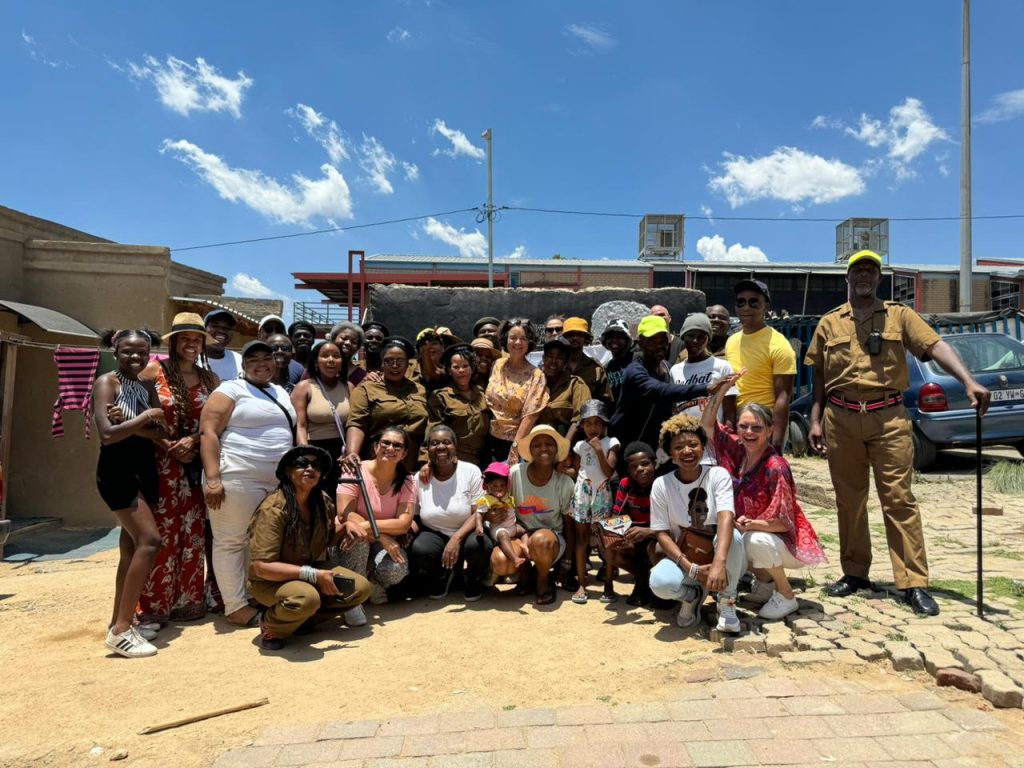
The perception of Africa as a dangerous continent also omits the ongoing efforts of many African nations to promote peace, democracy, and economic development. Regional and international initiatives are actively working to resolve existing conflicts and to promote stability and growth.
In the end, every country in Africa has its own reality, and it is important not to generalize. Many regions of the continent are not only safe, but also incredibly rewarding to visit.
Use of technology and education
It is true that the idea that Africa is behind in technology and education is a simplistic vision that ignores the continent’s multiple and nuanced realities. Many African countries, even entire regions, show remarkable dynamics in innovation and education.

Cities like Nairobi (Kenya), Lagos (Nigeria) and Cape Town (South Africa) have become technological hubs with a flourishing startup ecosystem, particularly in the fintech, digital health and smart agriculture sector. Africa has experienced rapid adoption of mobile technologies. Solutions like M-Pesa in Kenya have revolutionized payments and banking services, allowing millions of people to access financial services for the first time. Sustainable technology initiatives are booming. For example, solar panel projects and renewable energy solutions help improve access to electricity in rural areas.
Many higher education institutions and schools in Africa adopt modern learning methods, integrating digital technologies to improve engagement and access to educational resources. Some African countries are revising their education systems to better meet the needs of the labor market, integrating technical and digital skills from an early age. Many international cooperation initiatives aim to support educational development in Africa by providing resources, training and access to advanced technologies.
It is crucial to recognise the potential and progress made by African countries in technology and education. Rather than focusing on slow stereotypes, it is necessary to adopt a more nuanced perspective that sheds light on the successes, innovations and efforts made by local actors. This vision allows us to better understand the African context and to encourage more investment and collaboration for an even more dynamic future.
These stereotypes may deter some travellers from visiting Africa or lead them to have inaccurate expectations. It is important to promote a more realistic and diverse vision of this rich and complex continent. This is the mission that timuntu travel In order to make you discover Africa differently. For your next trip to Africa, Contact us.
More about tourism stereotypes in Africa
Curious to read more? Find further background on tourism stereotypes in Africa on Wikipedia.