
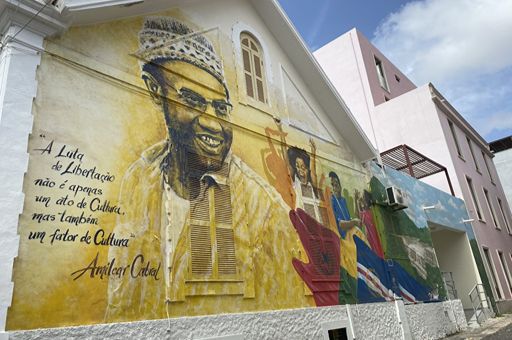
Amílcar Cabral is an emblematic figure in the history of Cape Verde and Guinea-Bissau. Revolutionary, thinker and political leader, Cabral played a crucial role in the fight for the independence of these two nations of Portuguese colonial domination. His heritage remains deeply rooted in Cape Verdean and Bissau-Guinean memories, and he is often celebrated as one of the great architects of African decolonization.
Amílcar Cabral was born on September 12, 1924 in Bafatá, Guinea-Bissau, but he was of Cape Verdean origin by his father, originally from the island of Santiago. Very early on, Cabral showed great interest in education and pursued higher education in agronomy at the Higher Institute of Agronomy in Lisbon, Portugal. During his academic years, he was involved in anti-colonial student movements, which will shape his vision and his commitment to the independence of his country.
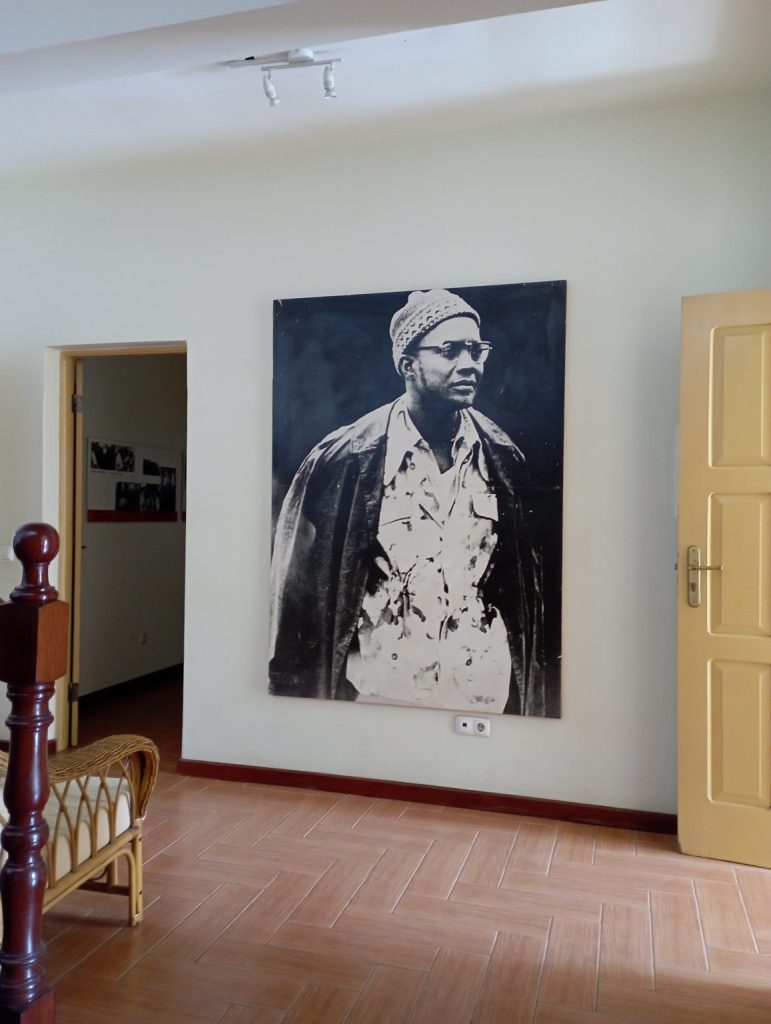
In 1956, Amilcar Cabral Founded the African Party for the Independence of Guinea and Cape Verde (PAIGC). The PAIGC aims to fight against Portuguese colonial domination and to lead the peoples of Guinea-Bissau and Cape Verde to independence. Under the direction of Cabral, the PAIGC adopts a guerrilla strategy, combining military actions and political mobilization to achieve its objectives.
Cabral was not only a military leader, but also an intellectual and a political strategist. He strongly believed in the importance of national awareness and political education. Cabral insisted that the struggle for independence should be supported by a deep understanding of the social, economic and cultural realities of the peoples concerned. His approach incorporated aspects of rural development and agrarian reform, aimed at improving the living conditions of local populations while fighting the colonial occupier.
Under the direction of Cabral, the PAIGC launched a guerrilla campaign in Guinea-Bissau from 1963. The armed struggle was characterized by ambushes, sabotages and attacks against the Portuguese colonial forces. Despite limited resources, the PAIGC managed to control much of the rural territory in Guinea-Bissau, establishing liberated areas where they set up administrative and educational structures.
On January 20, 1973, Amílcar Cabral was assassinated in Conakry, Guinea, by dissident members of the PAIGC. His death is a blow for the independence movement, but it does not slow down the momentum towards freedom. In September 1973, Guinea-Bissau unilaterally declared its independence, an independence which was recognised internationally in 1974 after the Carnation Revolution in Portugal. Cape Verde gained independence on July 5, 1975.
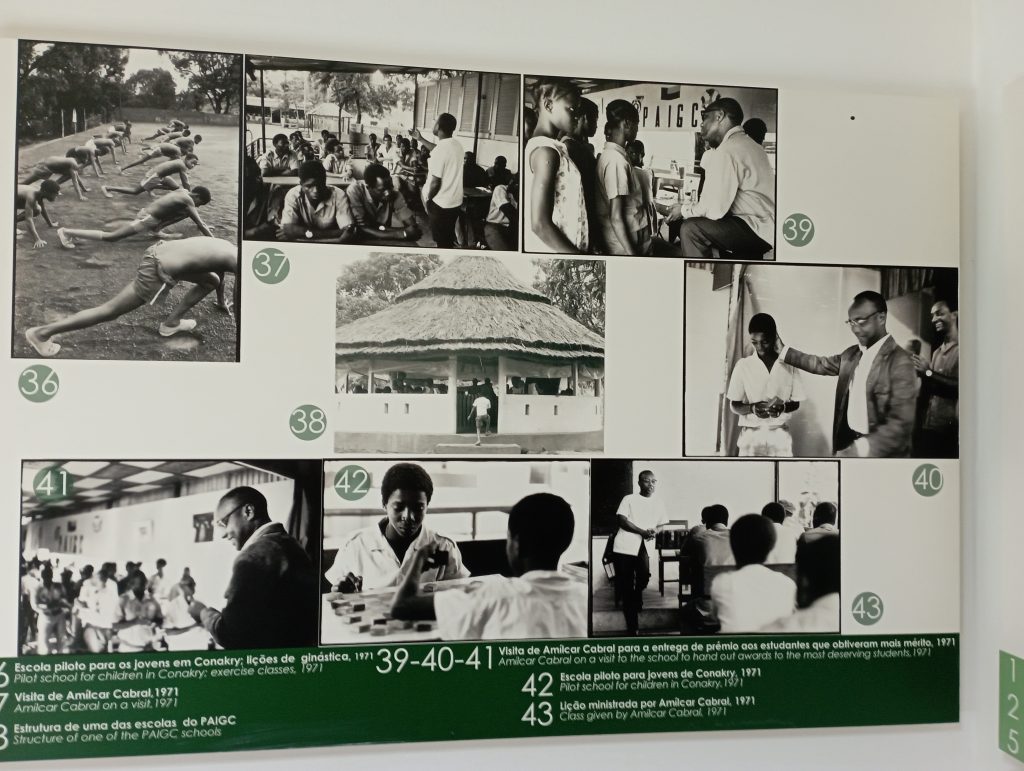
Amílcar Cabral remains An essential figure in the history of Cape Verde and Guinea-Bissau. His commitment, vision and strategies have not only led to the independence of these two nations, but also left a lasting legacy of the struggle for justice, equality and development. Cabral is celebrated not only as a national hero, but also as a thinker and leader whose influence goes beyond the borders of his country. His work continues to inspire liberation movements and human rights defenders around the world. Have you ever had the opportunity to visit the Amílcar Cabral Museum House (Sala-Museu Amilcar Cabral)? Join us at Cape Verde For an immersion like no other.