
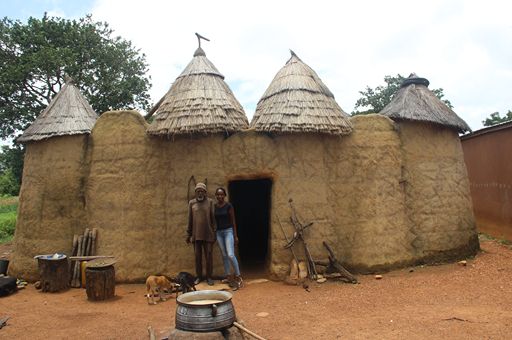
In this article, we explore Tata Somba.
Welcome to the North-West region between Benin and Togo, where the Somba live. These peoples, distributed along the chain of Atacora, are distinguished by their traditions and their unique architecture. Today, we dive into the history and culture of these communities through their iconic habitation: the Tata.
The Somba group together several ethnic groups, including the Batammariba, based in Boukoumbé in Benin, and the Tamberma, located on the other side of the border in Togo. Originally from Burkina Faso, these peoples migrated in the 17th century to flee the tribal wars and raids. Their common culture is reflected in the architectural form of their dwellings, the Tatas, which commands admiration and arouses the wonder of visitors. A tata is an ancient fortification in West Africa. The term can designate the raw earth walls that surround the village (the enclosure), the fortified village itself, or even a real fortified city. Sometimes it also designates a political and military centre. The remains of Tata, like those of Maba Diakhou Bâ in Nioro du RIP in Senegal, are classified as historical monuments and generally date from the 19th century.
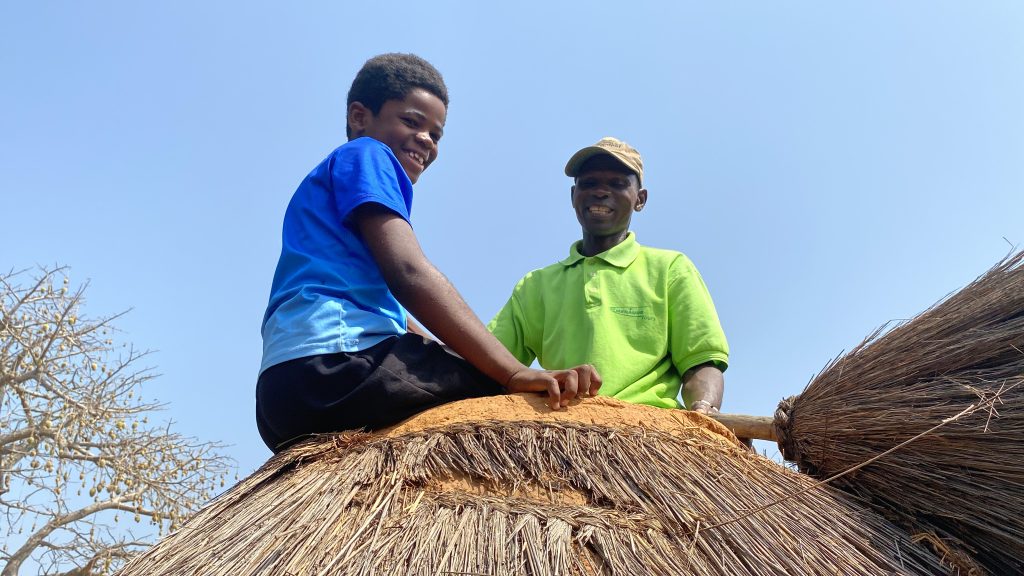
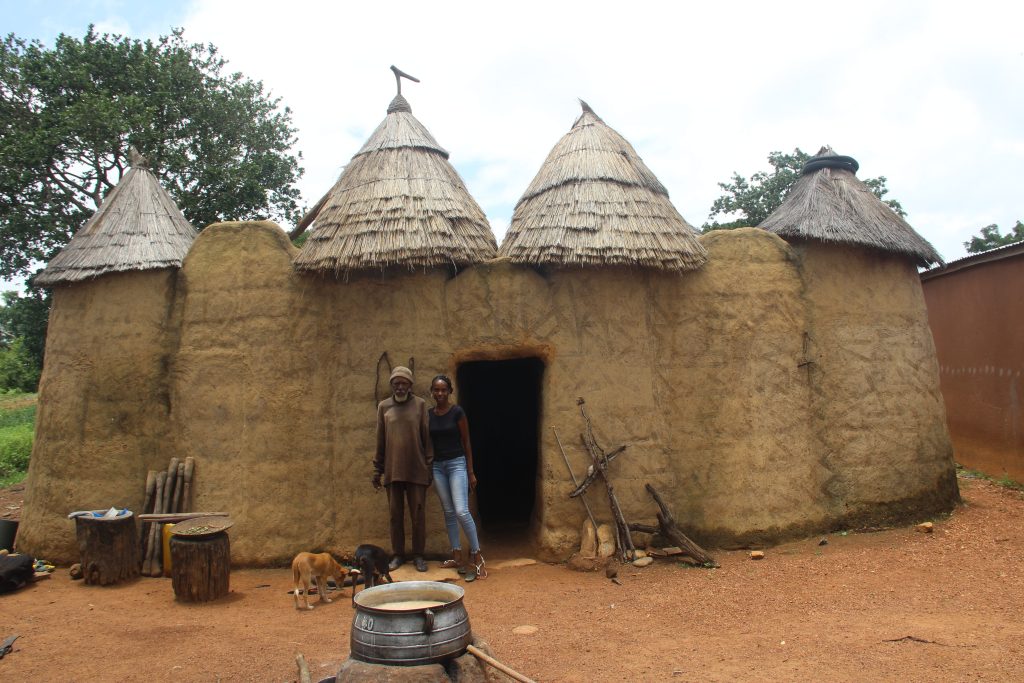
The Tata Somba are unique traditional dwellings in northwestern Benin and in the border region with Togo. These houses, listed as a UNESCO World Heritage Site, are renowned for their architecture in the form of small fortified castles, meticulously arranged to accommodate a family. The Somba, also called Tammari, are known for their talents as builders and have been living in these fortresses for centuries, mainly in the Atacora mountain range.
A tata is a two-storey house designed to defend its occupants. It serves as a family home, food storage and pet shelter. The front door is always westward. The entrances are very small, forcing to bend or crawl to enter, and on the threshold is an altar of the serpent, symbol of the soul of the ancestors. Inside, there are provisions, a grain mill, an animal shelter and another Altar.
The size of the tatas depends on the social status of the occupants and the number of people in the house. The construction uses a mixture of earth, cement and water, with cob containing straw on the upper floors. Some houses have several floors, with an ingenious air circulation system via a chimney and limited openings to ensure safety. The roof is woven with millet fibers and straw, and a layer of clay and cow dung seals.
There are several variants of tatas depending on the locality. The Tata Natemba, located in Tayacou in the commune of Tanguiéta, is distinguished by its entirely paved structure. The Tata Otammari, representative of the Batammariba, has three bedrooms upstairs and seven attics. The Tata Otchao, found in Boukoumbé, is a modified version of the Tata Otammari with a paved terrace accessible by a ladder. The Tata Ossori, built by the Bessoribè, includes a large terrace, three bedrooms and four attics. Finally, the Tata Berba, unique in its absence of a floor, consists of nine boxes and two attics around an interior courtyard.
In Togo, Tata Tamberma is a UNESCO World Heritage Site, mainly located in the Koutammakou region, meaning “where sand is shaped”. This construction, solid and weather resistant, is a living testimony to the ingenuity of the Somba.
Despite their historical and cultural appeal, the tatas are at risk. The younger generations prefer modern housing, and the solidarity necessary to build and maintain these dwellings is decreasing. The fragility of the tatas requires significant and expensive renovation work. Preservation and preservation programmes have been launched, and associations are organising to promote tatas. Nevertheless, modern materials are gradually replacing traditional materials, and concrete tatas are gradually appearing.
A trip to Benin without discovering a tata would leave a taste of unfinished business. These traditional fortresses are not only dwellings, but symbols of the history and identity of the Somba. By preserving them, we honour not only the heritage of these peoples, but also their intelligent adaptation to their environment and their resistance through the ages.
More about Tata Somba
Curious to read more? Find further background on Tata Somba on Wikipedia.
Ready to experience Africa for yourself? Explore our destinations or plan your journey with Timuntu Travel.