
In this article, we explore visiting Ethiopia.
The 7 things to know about Ethiopia.
Here is some information that could help you prepare for your trip to Ethiopia, and the good to know.
The only country that resisted colonization in Africa
Ethiopia is indeed the only country in Africa that has never been colonized by a foreign power. Despite several attempts by Europeans and in particular Italians, Ethiopia has preserved its independence and sovereignty over the centuries.
The Battle of Adoua in 1896, where the Ethiopian forces inflicted a scathing defeat on Italian troops, is a key moment in the country’s history. This victory allowed Ethiopia to maintain its independence and to be recognised by the great powers of the time.
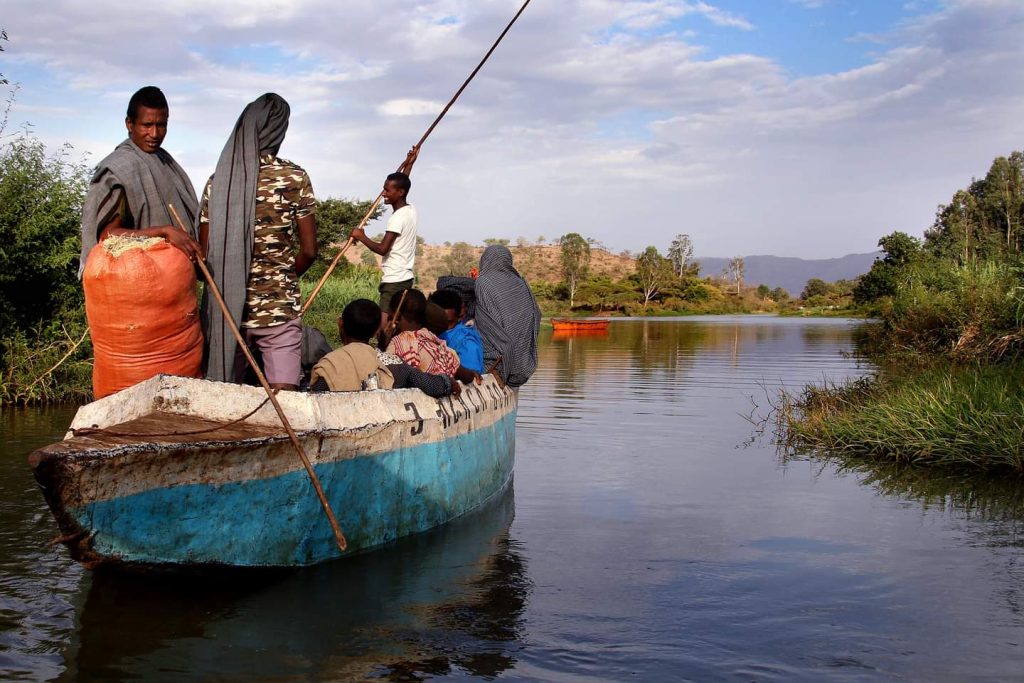
Ethiopia has nevertheless undergone heavy pressures and foreign interference throughout its history, particularly during the period of European colonization in Africa. The country had to sign several unequal treaties with colonial powers to preserve its independence, but it was never directly colonized.
Today, Ethiopia continues to play an important role on the African and international scene, as one of the oldest countries on the continent and one of the only ones not to have been colonized.
Ethiopia is considered one of the cradles of humanity
The country is located in the Horn of Africa and has a history that goes back thousands of years. Ethiopia is known to be the place where the Queen of Sheba would have met King Solomon, according to biblical tradition. It is the oldest country in Africa to have maintained its independence during the colonial period. Its long history as an independent nation gives it a central place in the history of Africa and the world in general.

Lucy is the nickname given to the fossil of a prehistoric hominid discovered in Ethiopia in 1974. It is a specimen of the species Australopithecus afarensis, an ancestor of the man who lived About 3.2 million years ago. In Ethiopia, Lucy has become a true national icon and a pride for the country. Its fossil is on display at the National Museum of Ethiopia in Addis Ababa, where it is visited by many tourists and researchers from around the world.
Ethiopia is a country rich in history, culture and tradition, and is considered one of the cradles of humanity because of its historical importance and its contribution to world civilization.
One of the hottest places on the continent
Ethiopia is one of the hottest places on the African continent. The country enjoys a tropical climate characterized by high temperatures throughout the year. The hottest regions are generally found in the lowlands of the east of the country, where temperatures can exceed 40 degrees Celsius during the dry season.
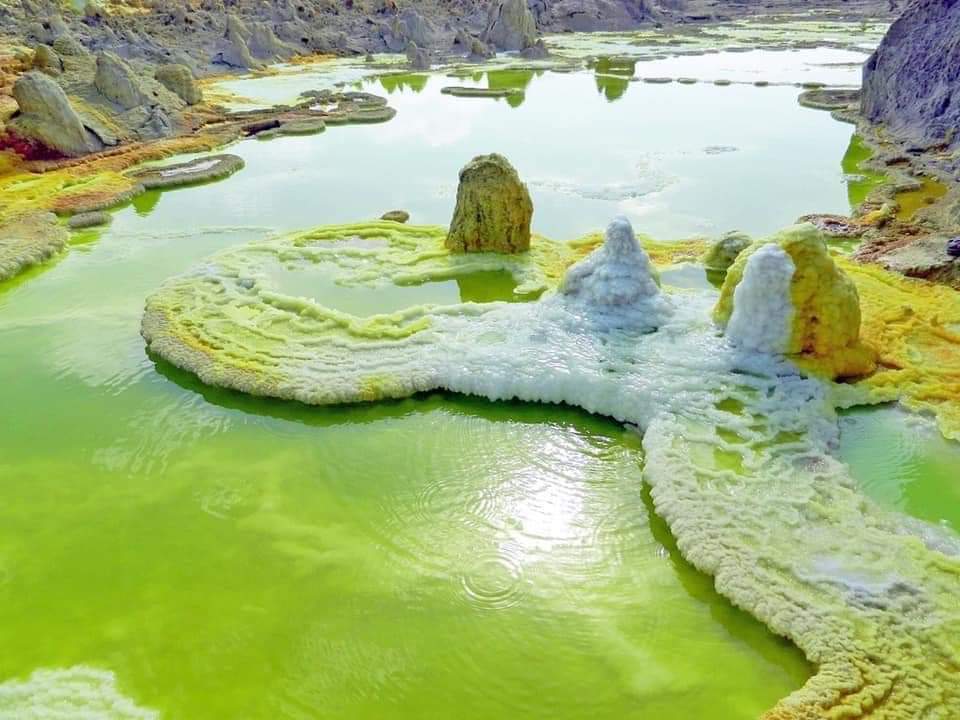
However, due to the geographic diversity of Ethiopia, the country is also experiencing significant temperature variations depending on altitude. Mountainous regions, like the Ethiopian highlands, offer more pleasant and cool temperatures, making them popular resorts to escape the sweltering heat from the lowlands.
Despite the high temperatures, Ethiopia remains a fascinating country to visit, with a unique cultural and natural richness to discover. The highlands include important historical sites, such as the rock churches of Lalibela or the royal palace of Gondar, while the large valleys and highlands offer spectacular landscapes and a variety of flora and fauna.
Ethiopia has more than 80 ethnic groups
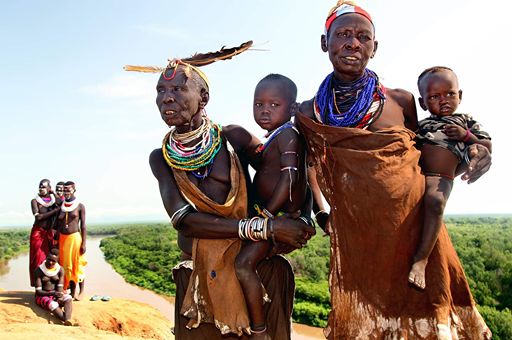
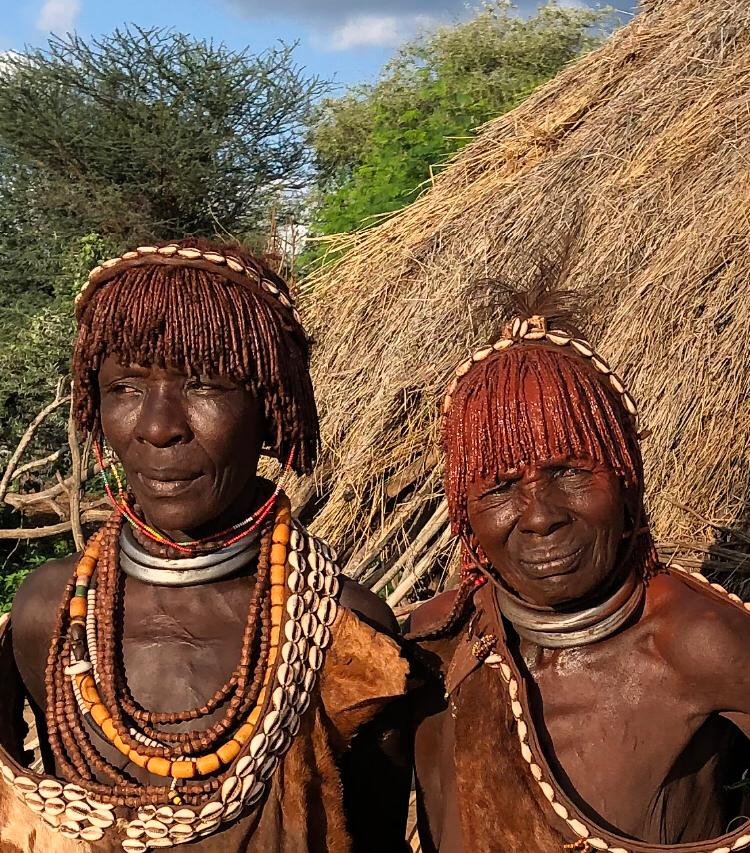
The country has over 80 different ethnic groups, each with its own language and culture. The most important groups are the Oromo, Amharas, Tigers and Somalis. Because of this diversity, Ethiopia is often considered a multi-ethnic and multicultural country. Ethiopia’s ethnic diversity has contributed to its cultural richness and to its tradition of peaceful coexistence between different ethnic groups. However, this diversity has also created inter-ethnic tensions and conflicts, especially in border regions where ethnic groups often compete for control of resources and political power. It is therefore essential to inquire beforehand when creating your trip.
Time and schedule are different in Ethiopia
In Ethiopia, the time and schedule are different from those used in most countries of the world. In this country, the day begins at 6 am, which is equivalent to noon in the western hourly system. As a result, the time in Ethiopia is shifted 6 hours back from Universal Time (UTC). For example, when it is noon in Paris, it is 6 am in Ethiopia.
The Ethiopian calendar is based on the Coptic calendar and has 13 months. Each month is composed of 30 days, with the exception of the last month which has 5 or 6 additional days depending on the leap years.
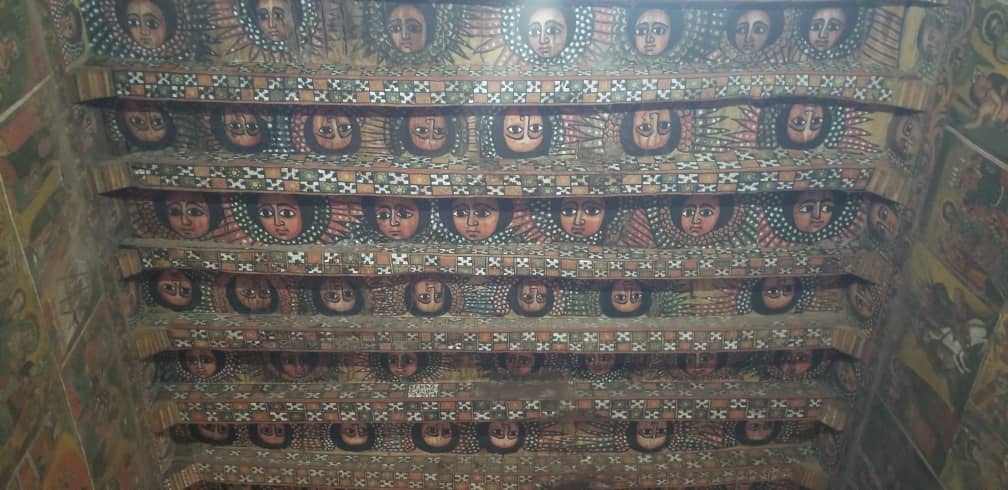
In addition to the civil Ethiopian calendar, Ethiopia also follows a religious calendar based on the celebrations of the Ethiopian Orthodox Church. This religious calendar, known as the Georgian calendar, has specific days and months for Ethiopian Orthodox religious holidays.
These differences in the calendar and time system add a unique dimension to everyday life in Ethiopia and may require an adaptation period for foreign visitors. However, once understood, these elements contribute to Ethiopia’s distinct cultural identity.
It is important to take these differences into account during a trip to Ethiopia so as not to miss an appointment or an important event 😊.
We eat raw meat
In Ethiopia, there is a traditional culinary practice called “kitfo” which consists of eating raw or lightly cooked meat. Kitfo is usually prepared from finely ground beef and mixed with clarified butter and spices, including powdered chili (mitmita) and cumin.
However, it is important to note that KITFO is often consumed as part of some celebrations or special occasions, and it is prepared with strict hygiene standards to minimize health risks. In addition, in many Ethiopian restaurants, the Kitfo can also be served slightly cooked, depending on the customer’s preferences.
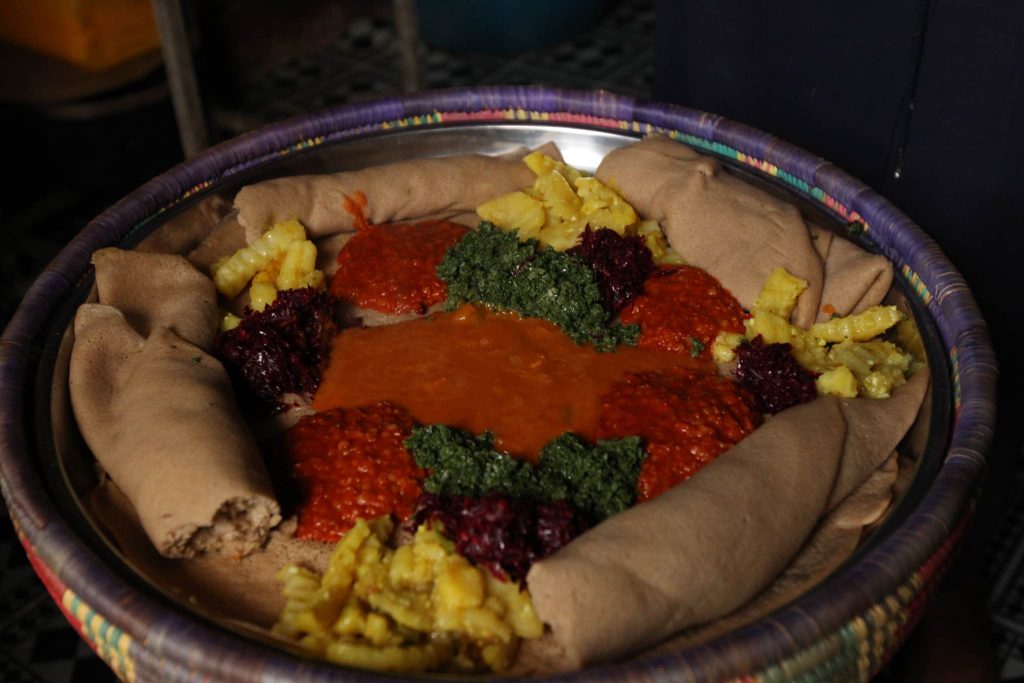
Kitfo is usually accompanied by injera, a traditional Ethiopian flatbread, as well as different side dishes such as cooked vegetables and spicy sauces. This culinary practice is appreciated by many Ethiopians and visitors for its unique taste and traditional character. However, it is important for foreign visitors to consult a local guide or an expert in Ethiopian cuisine to ensure that they understand properly the preparation and consumption of kitfo, as well as to take appropriate precautions in food hygiene.
The highest number of UNESCO registered sites in Africa
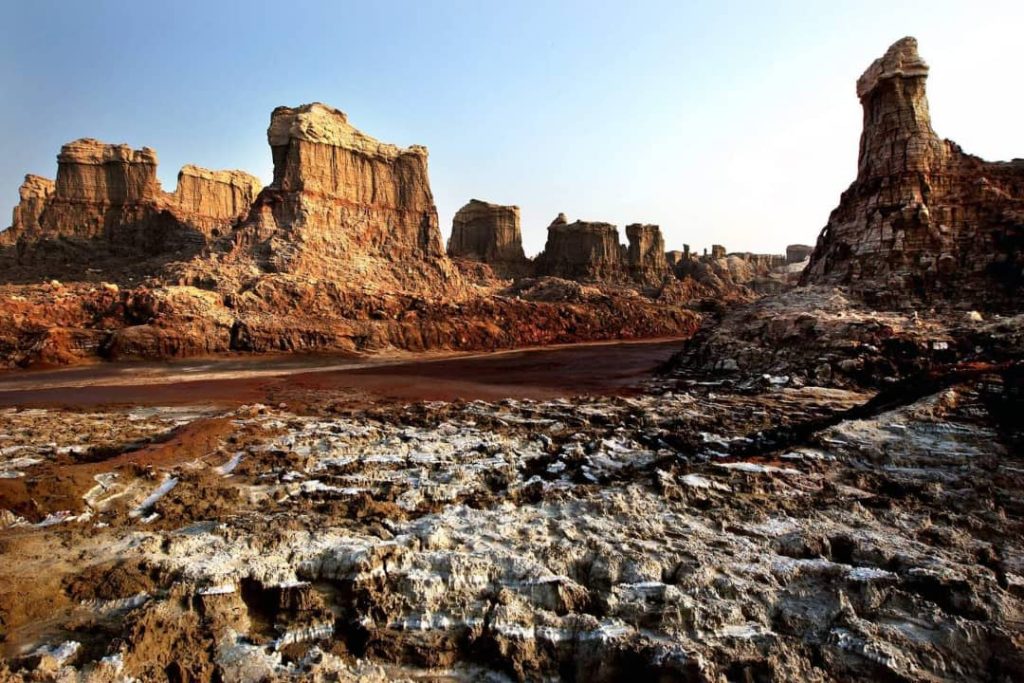
Ethiopia is home to an impressive number of sites inscribed on the UNESCO World Heritage List, including Orthodox churches, archaeological sites, cultural landscapes and nature reserves. This concentration of exceptional sites testifies to the richness and diversity of Ethiopian heritage, which makes it a must-see destination for lovers of history, culture and nature.
If you have any other questions while preparing for your trip to Ethiopia, you can contact directly. We will be happy to assist you to live an incredible experience.
More about visiting Ethiopia
Curious to read more? Find further background on visiting Ethiopia on Wikipedia.