
In this article, we explore Ethiopia African country.
Africa differently. Ethiopia is often perceived as different from the stereotypical image of Africa because the country has distinct characteristics that distinguish it from some common representations of the continent. Often described as a mysterious and fascinating country, with a rich history and unique culture, Ethiopia is renowned for its breathtaking landscapes, ranging from snow-covered mountains to arid deserts to spectacular crater lakes.
It is important to note that Africa is an incredibly diverse continent, with a variety of cultures, languages, landscapes and stories. Each African country has its unique characteristics that contribute to the continent’s richness and diversity as a whole. The idea that Ethiopia seems different from the stereotypical image of Africa may reflect the continent’s internal diversity.
Ancient History and Civilization:
Ethiopia is a country with a rich and complex past, marked by an ancient history and a unique civilization. Located in the Horn of Africa, Ethiopia is one of the oldest states in the world, with a history that dates back more than 3,000 years.
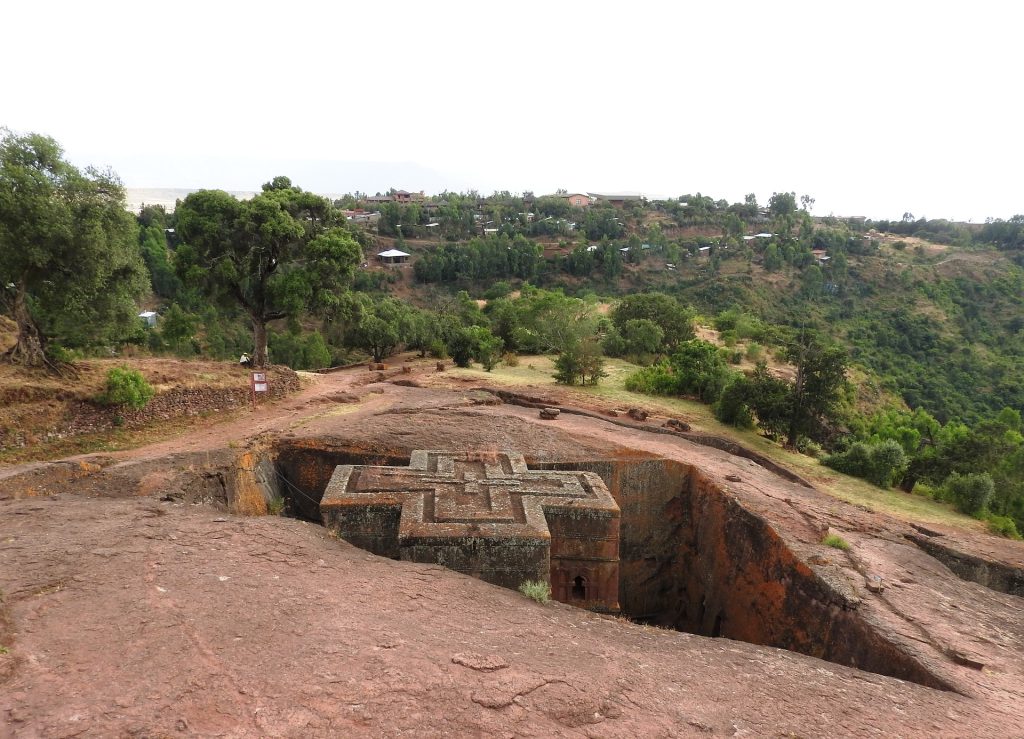
In the Middle Ages, Ethiopia experienced the golden age of the Ethiopian Empire, also known as the Abyssinian Empire. Under the Solomides dynasty, Ethiopia reached its peak, extending its territory and extending its influence over the region. The Ethiopia Empire was known for its resistance to foreign invasions and for its refined culture, marked by its Christian Orthodox churches, its richly decorated manuscripts and unique musical traditions.
In the 19th century, Ethiopia was confronted with the threat of European colonization, but it succeeded in remaining independent, repelling Italian invasion attempts during the battles of Adoua in 1896. Ethiopia thus became the only African country to never have been colonized.
Language and Writing:
Amharic is the official language of Ethiopia and it belongs to the Semitic language family, just like Arabic and Hebrew. However, unlike these languages, Amharic is unique to Ethiopia and is not widely spoken outside the country. It is used in administration, education, media and daily life.
The Guèze alphasyllabary, also known as fidäl (“letter”), is the traditional writing system of Amharic and other Ethiopian languages such as tigrinya and oromo. It consists of syllabic characters that represent a combination of consonants and vowels. Unlike the Latin alphabet, which is widely used in many parts of the world, the Guèze alphasyllabary is unique to Ethiopia and parts of Eritrea.
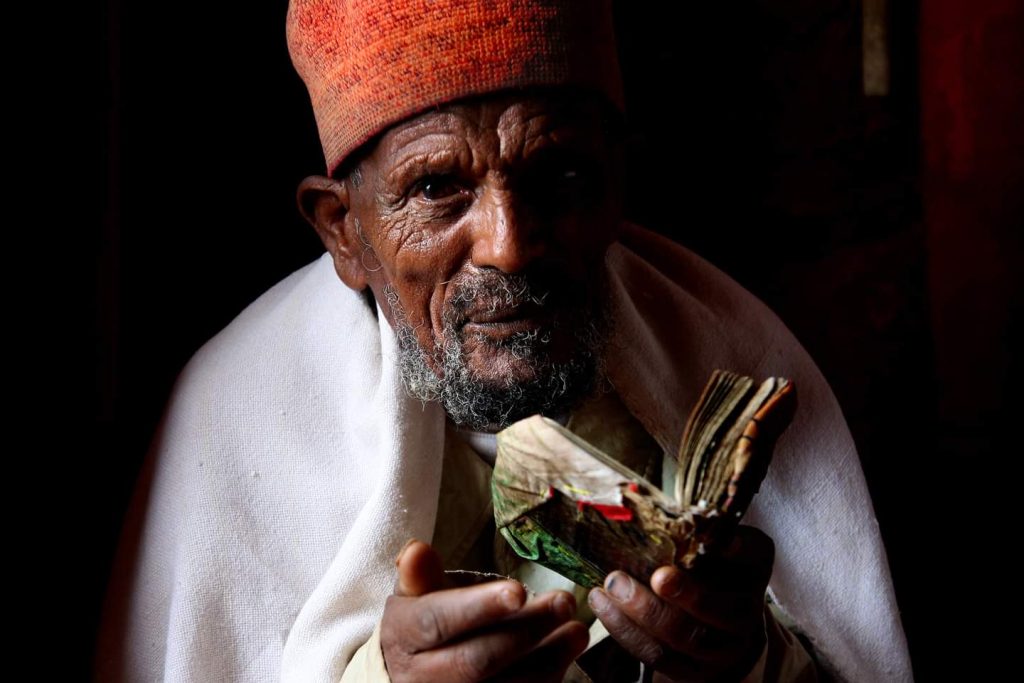
The Guèze alphasyllabary is an integral part of Ethiopia’s cultural and linguistic identity, and its use continues to play an important role in the preservation of Ethiopian culture and tradition. However, the Latin alphabet is also widely used in the country, especially in modern contexts such as technology, media and international communications.
Various landscapes:
Ethiopia is home to several impressive mountain ranges, including the Simien Mountains, the Balé Mountains and the Ahmar Mountains. These mountainous formations offer breathtaking panoramas, with snowy peaks, deep valleys and steep cliffs.
The Ethiopian highlands offer green landscapes dotted with agricultural fields, meadows and high altitude forests. These regions are often inhabited by agricultural and pastoral communities.
Ethiopia is dotted with lakes and rivers, offering habitats rich in biodiversity and scenic landscapes. Lake Tana, the largest lake in the country, is an iconic place that hosts Ethiopian Orthodox monasteries on its islands, while the Blue Nile crosses the country, forming deep gorges and impressive waterfalls. Ethiopia is home to several impressive valleys, including the Great Rift Valley, which crosses the country from north to south. This valley is known for its spectacular landscapes, steep cliffs and high-altitude lakes, such as Ziway Lake and Chamo Lake.
In the lower and warmer regions of Ethiopia, there are grassy savannahs, tropical forests and bush ecosystems. These areas are home to a variety of wild animals, including elephants, lions, giraffes and antelopes.
The Danakil region, one of the hottest and most inhospitable regions on the planet, is a one-of-a-kind salt desert. This area is home to extraordinary geological formations, such as the Erta Ale volcano and its molten lava lakes, as well as lunar salt and sulphur lunar landscapes.
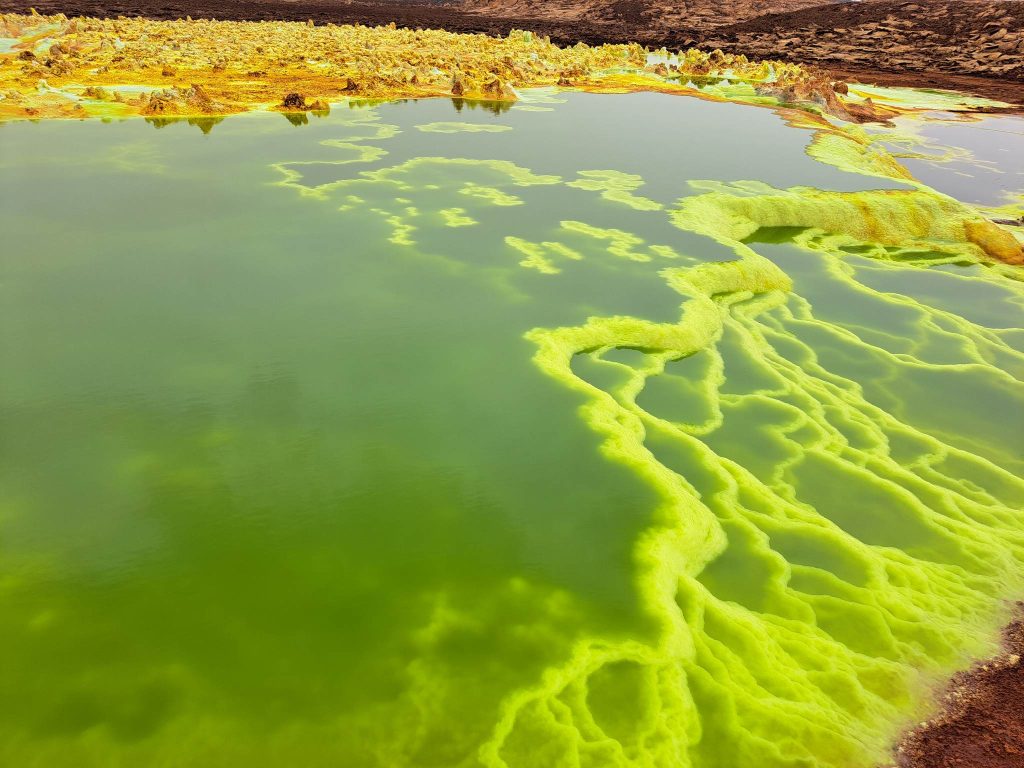
The Ethiopian landscapes are diverse, ranging from high mountains to vast deserts and green valleys. This geographical diversity sometimes contrasts with the image of an Africa dominated by endless plains.
Culture and traditions:
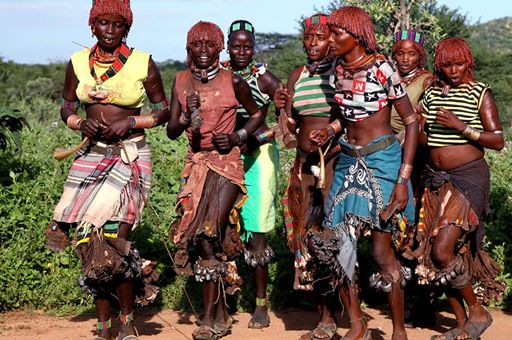
Ethiopian traditions, whether religious ceremonies, festivals or local customs, may differ from those of other parts of the continent. Traditional dances, Ethiopian music and art have their own identity.

For example, the coffee ceremony, called “Buna” in Amharic, is an important tradition in Ethiopia. Ethiopians have a special way of making and serving coffee, and this ceremony is often used as a time to bring family and friends together.
Religious festivals, such as Timkat (Ethiopian Orthodox Epiphany) and Meskel (The Feast of the Cross), are also important events in the lives of Ethiopians. During these festivals, people gather to pray, sing, dance and celebrate their spiritual traditions.
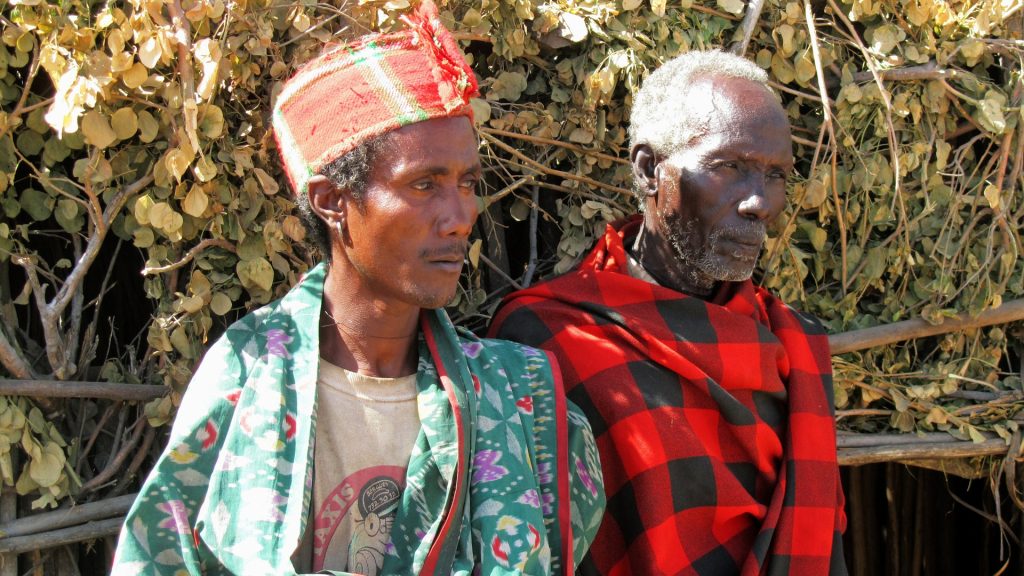
Traditional Ethiopian music is also unique, including Ethio-jazz music that mixes elements of American jazz with traditional Ethiopian rhythms and melodies. Traditional Ethiopian dances, such as the “eskista” (a shoulder dance) and the “dabke” (a group dance), are also very popular and are an integral part of Ethiopian culture.
Finally, Ethiopian art, whether religious paintings, traditional weavings or sculptures, is also highly appreciated and plays an important role in preserving the country’s history and culture.
In short, the Ethiopian traditions are rich and varied, and play an essential role in the cultural and social identity of this East African country.
Ethiopia and the modern world:
As the cradle of humanity, Ethiopia has been associated with unique aspects of prehistory and human evolution, which can add to its singularity. Often perceived as a sanctuary preserved from modernity, the country has nevertheless experienced a number of changes over the years that have connected it more and more to the modern world.
First of all, Ethiopia was one of the first African countries to adopt Christianity as a state religion in the 4th century, and still today retains a strong influence from this religious tradition. Ethiopia has also played an important role on the international scene, hosting international organisations like the African Union and participating in peacekeeping missions across the continent.
Finally, Ethiopia recently drew attention to its economic development initiatives, such as the National Economic and Social Development Plan (PNDES) to transform the country’s economy. These reforms have enabled Ethiopia to maintain high economic growth rates and become one of Africa’s most dynamic economies.
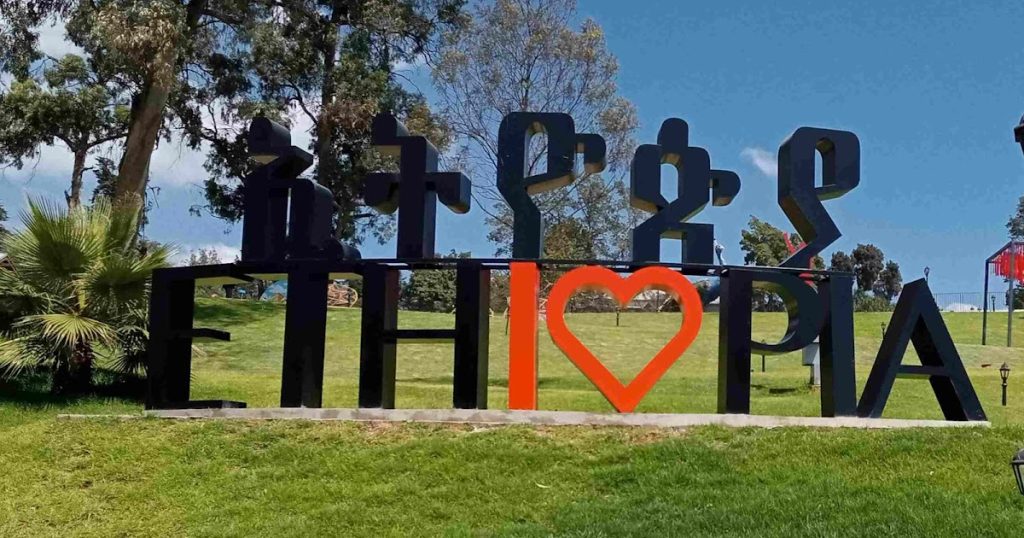
Ethiopia has successfully navigated between tradition and modernity, embracing the opportunities offered by the modern world while preserving its rich culture and history.
If you want to discover Ethiopia, try your luck and discover our programme: Back to basics – Timuntu Travel
More about Ethiopia African country
Curious to read more? Find further background on Ethiopia African country on Wikipedia.